In this world there are two types of negotiators: the good ones and everyone else. The goal of any negotiator is to become a member of the group of good negotiators. The challenge is that the path to becoming a good negotiator is not always clear. However, there are two basic skills that lay on this path: persistence and the ability to take the right risks.
Persistence Pays Off For Negotiators
Persistence is another one of those skills that we all think should be obvious to ever negotiator; however, it's very easy to not have it. When the other side of the table says "no" to one of our offers during a negotiation, it's very easy to lose heart and give up.
However, the negotiator who treats every "no" as a step towards "yes" is the one who will be successful in the end. Realizing that there is a reason that the other side is saying no and then being persistent enough to continue talking until you uncover that reason is the key to success.
American negotiators have been confronted with negotiators from other countries who appeared to be unmovable in their positions. Day after day the negotiations would continue with no progress being made. In the case where the Americans would return to the table and not give up, eventually progress ended up being made. The other side's unmovable position was just a ploy to see how committed the Americans were to the negotiations.
Risk Taking Has Its Rewards
Being persistent in a negotiation is a form of risk taking: you are risking continuing down a path that may not pan out for you. However, there are other forms of risk taking that can occur during a negotiation:
- Deadlock: The risk of encountering a deadlock faces every negotiator. The more you press a point, the greater the possibility that the other side will become unyielding. A skilled negotiator knows how to not force the other side into a position from which there is no way out.
- Losing Current Deals: Whenever a change to an existing deal is being negotiated, both parties realize that there is a risk that they could walk away from the table with no deal at all. Often it's this fear of losing an existing deal that will keep both parties at the table. Sharp negotiators realize this and will be willing to push harder because they know the other side of the table won't walk away.
- Losing Opportunities: Both buyers and sellers can potentially not realize that a deal is more important to the other side than it seems at first glance. Sellers may be trying to break into a new market or buyers may be trying to get additional suppliers. In situations like this, the other side of the table can press harder because the risk of reaching a deadlock is much less.
Successful negotiators aren't that much different from everyone else. The things that distinguish them are actually very small details. Two of the most important features of a good negotiator are persistence and knowing when to take risks.
Persistence means knowing when to keep on even after you've been told "no" by the other side. Good risk taking is when you know that your persistence will pay off for you in the end. When you can combine these skills, you will have become a good negotiator and you will be able to close better deals and close them quicker.
Dr. Jim Anderson
https://www.TheAccidentalNegotiator.com
Dr. Jim Anderson has spent over 20 successful years negotiating sales of all sizes. Dr. Anderson offers you his insights on how to develop your negotiating skills so that you can approach sales negotiations with more confidence that you'll be able close more deals and close them faster!
Oh, and if you want to follow Dr. Anderson on Twitter, he can be found at: https://twitter.com/drjimanderson
Notes: Negotiation Strategies
Free Downloads
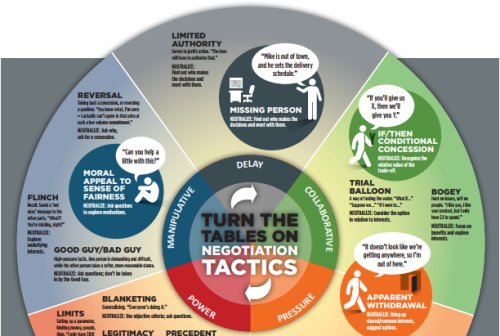
Neutralizing Negotiation Tactics
Public Negotiation Training